
Choosing new windows is a big decision, and one of the first questions homeowners ask is: what’s the best window material for UK homes? uPVC, timber and aluminium are the three most common options, and each brings its own balance of cost, style and performance. At Lumiere View, we’re often asked to explain the real differences, so here’s a straightforward guide to help you choose with confidence.
uPVC Windows
uPVC windows are the most popular choice across the UK, and it’s easy to see why. They’re affordable, low maintenance, and available in a wide range of colours and finishes, including wood-effect styles for period homes.
Because uPVC doesn’t rot, warp or need repainting, it suits homeowners who want a practical, long-lasting option without ongoing upkeep.
Timber Windows
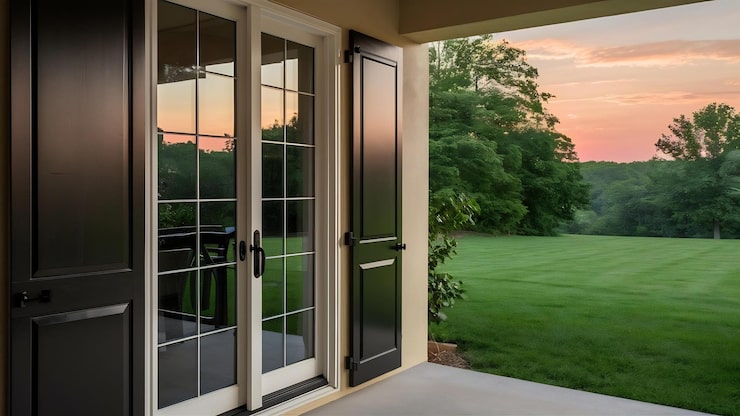
Timber windows offer a natural look that’s hard to match with any other material. They’re especially popular for period and conservation area properties, where planning rules often call for a traditional appearance.
Modern timber frames are treated and engineered to resist warping, but they do need occasional repainting or staining to stay in good condition. Many homeowners feel the classic charm is worth the extra care.
Aluminium Windows
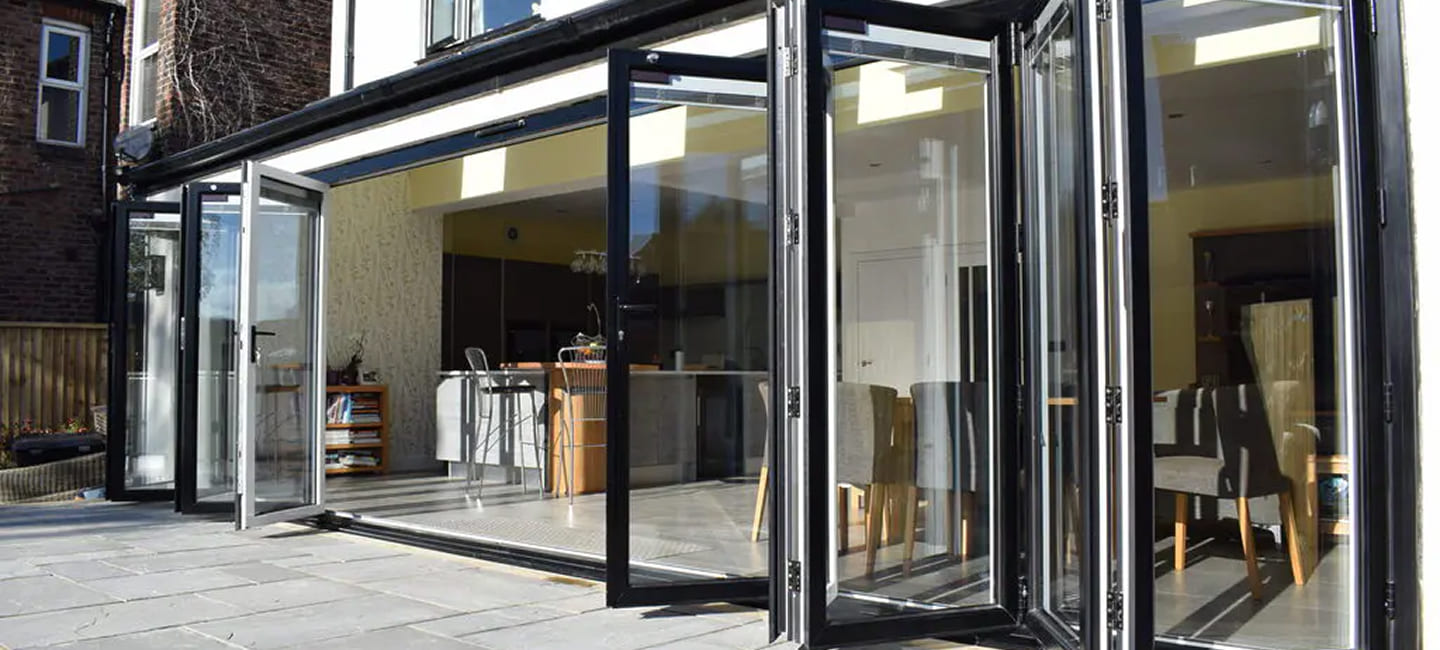
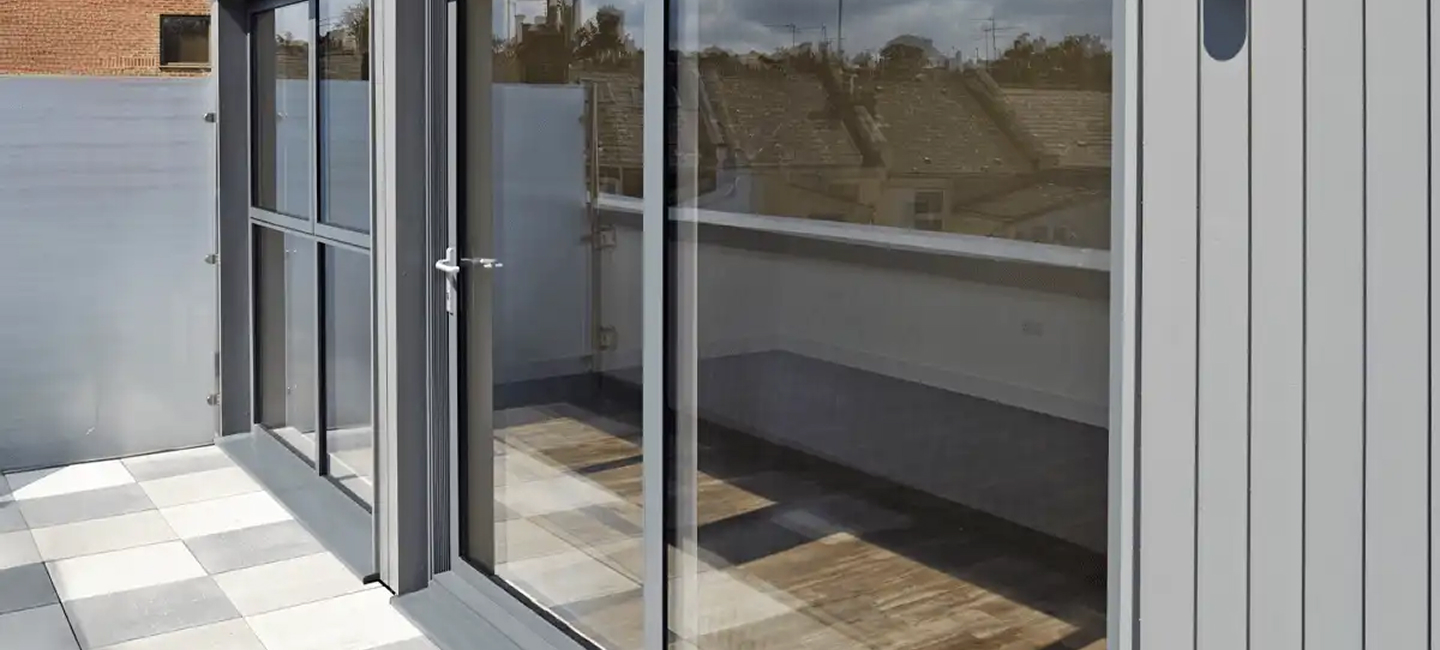
Aluminium windows are known for their slim frames and strength, allowing for larger glass areas and a sleek, modern finish. They’re a common choice for contemporary extensions, large openings and commercial properties.
Aluminium doesn’t rust and holds its shape well over time, though it typically costs more than uPVC to begin with.
Comparing the Three: Which Should You Choose?
1. Budget
uPVC is usually the most cost-effective option, timber sits in the middle, and aluminium tends to be the most expensive due to material and manufacturing costs.
2. Style and Property Type
Timber suits period and heritage properties best. Aluminium fits modern, minimalist homes and large glazed extensions. uPVC works well across most property styles and budgets, making it a flexible all-rounder.
3. Energy Efficiency
All three materials can be fitted with energy-efficient window glazing, such as double or triple glazed units. However, the frame material itself also affects heat retention — uPVC has strong natural insulation, aluminium usually needs a thermal break to perform well, and timber offers good natural insulation too.
4. Maintenance
uPVC needs the least upkeep — just occasional cleaning. Aluminium needs very little maintenance too. Timber requires more regular care to keep its finish looking sharp over the years.
Which Is the Best Window Material for UK Homes?
There’s no single winner — it depends on your priorities:
- Choose uPVC windows for a practical, affordable, low-maintenance option.
- Choose timber windows for a period property or a classic, natural look.
- Choose aluminium windows for a modern extension or larger glazed openings.
Why Choose Lumiere View
At Lumiere View, we’ve spent over 55 years fitting windows across London and the M25, working with uPVC, timber and aluminium alike. We help you weigh up style, budget and energy performance honestly, rather than pushing one material over another.
All our installations meet current building regulations and come with FENSA certification, so you can be confident your new energy efficient windows are fitted correctly and built to last.
Final Thoughts
There’s no universal best window material for UK homes — the right choice depends on your property style, budget and how much maintenance you’re happy to take on. Take some time to view sample frames in person, and don’t be afraid to ask for U-values and warranty details before you commit.