
If you’re planning a renovation or a garden extension, you’ve probably found yourself comparing bi-fold doors vs sliding doors for your patio or garden opening. Both styles bring more light into a room and create a smooth link between your kitchen or living space and the garden. But they work in different ways, and the right choice depends on your space, budget and how you use your home. At Lumiere View, we help London homeowners weigh up both options every week, so here’s a clear, honest breakdown to help you decide.
What Are Bi-Fold Doors?
Bi-fold doors are made up of several glass panels that fold back against each other, like an accordion. Most homeowners choose aluminium bi-fold doors because the slim frames let in more daylight while staying strong enough to support wide openings.
When fully open, bi-folds tuck away almost completely, leaving a wide, unobstructed gap between your home and garden. This makes them a popular choice for kitchen extensions and summer entertaining.
What Are Sliding Doors?
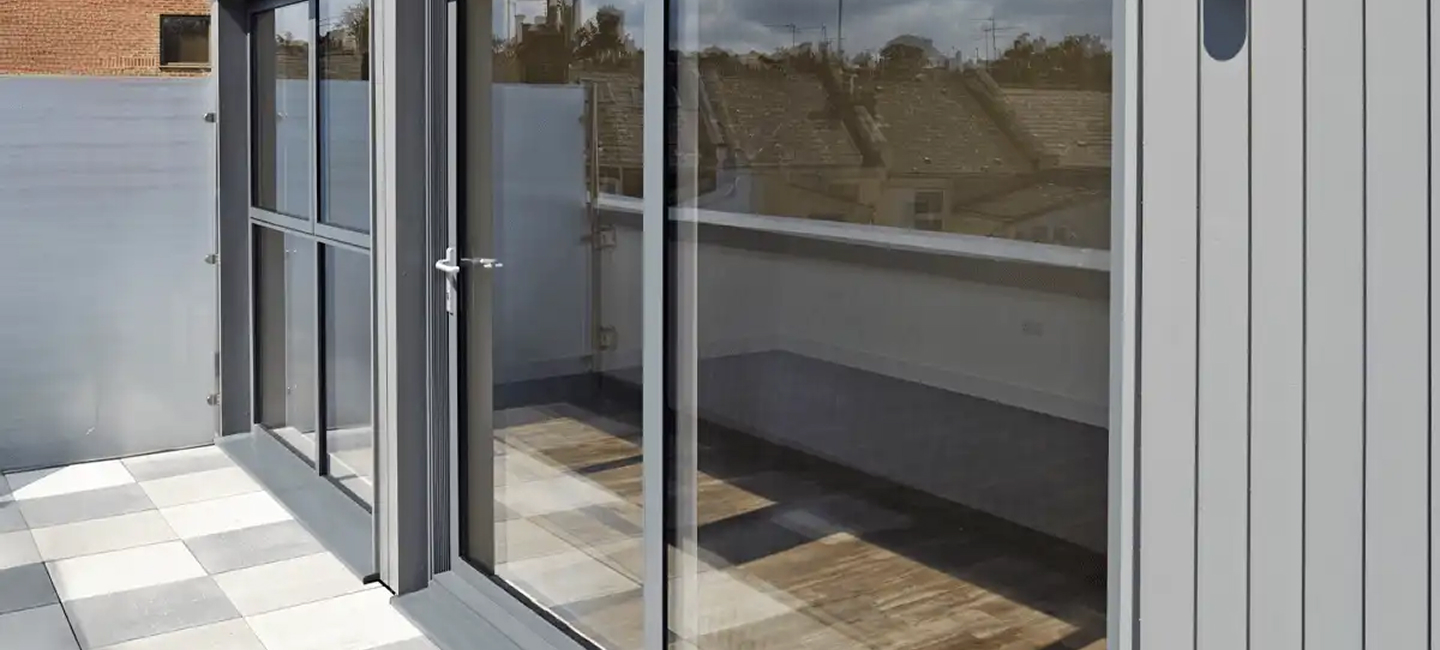
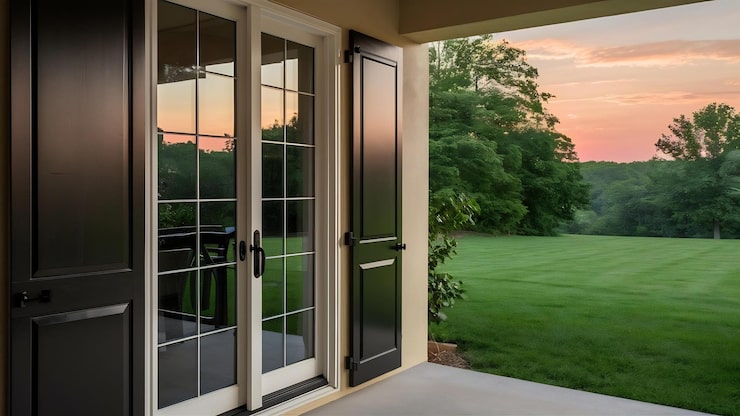
Sliding patio doors work differently. Instead of folding, the panels glide along a track, sitting behind or in front of one another when open. They’re a classic choice for homeowners who want simplicity and a clean, streamlined look.
Because the panels don’t need to stack to one side, sliding doors are often better suited to narrower spaces where a fully open bi-fold isn’t practical.
Bi-Fold Doors vs Sliding Doors: Key Differences
1. Space and Opening
Bi-fold doors open almost the entire width of the frame, giving you a true indoor-outdoor feel. Sliding doors typically only open half the space at a time, since one panel always stays fixed in place.
If you want the widest possible opening, bi-folds usually win. If you have a narrower room where furniture placement matters, sliding doors may suit you better.
2. Natural Light and Glass Area
Both styles use large glass doors to maximise light, but sliding doors often have fewer frame lines when closed, giving a more uninterrupted view. Bi-folds have more frame sections due to the folding panels, though modern slim designs keep this to a minimum.
3. Cost
Sliding doors are generally more affordable than bi-folds, especially for wider openings, because they use fewer moving parts and simpler track systems. Bi-folds can cost more due to the additional hinges, hardware and panels involved in a smooth-folding mechanism.
4. Maintenance
Sliding doors have fewer moving joints, which usually means less maintenance over time. Bi-fold doors have more hinges and rollers, so regular checks help keep them running smoothly, though quality hardware significantly reduces this upkeep.
Which Is Best for Your Home?
There isn’t a single right answer — it depends on your priorities:
- Choose bi-fold doors if you want the widest opening and a dramatic, fully open feel for entertaining.
- Choose sliding doors if you prefer a simpler mechanism, a lower budget, or have a narrower space to work with.
- Consider your view — if you have a lovely garden, sliding patio doors with slim sightlines might show it off best when closed.
Many of our clients across London choose bi-folds for kitchen-diner extensions and sliding doors for smaller reception rooms or first-floor balconies.
Why Choose Lumiere View
With over 55 years of experience in windows and doors, Lumiere Viewhas fitted both bi-fold and sliding systems across London and the M25 area. Our team helps you compare options honestly, without pushing you toward the most expensive choice.
We’re FENSA registered and use certified installers, so your new doors are fitted correctly and backed by a solid guarantee. Whether you’re after aluminium bi-fold doors for a wide kitchen extension or classic sliding patio doors for a simpler upgrade, our team can guide you through material, size and budget choices during a free consultation.
Final Thoughts
Choosing between bi-fold doors vs sliding doors comes down to how you use your space and what look you want to achieve. Think about your budget, the size of your opening, and how often you’ll open the doors fully before making a decision. A quick site visit from our team can help you see both options in person and get a clear idea of pricing for your specific home.