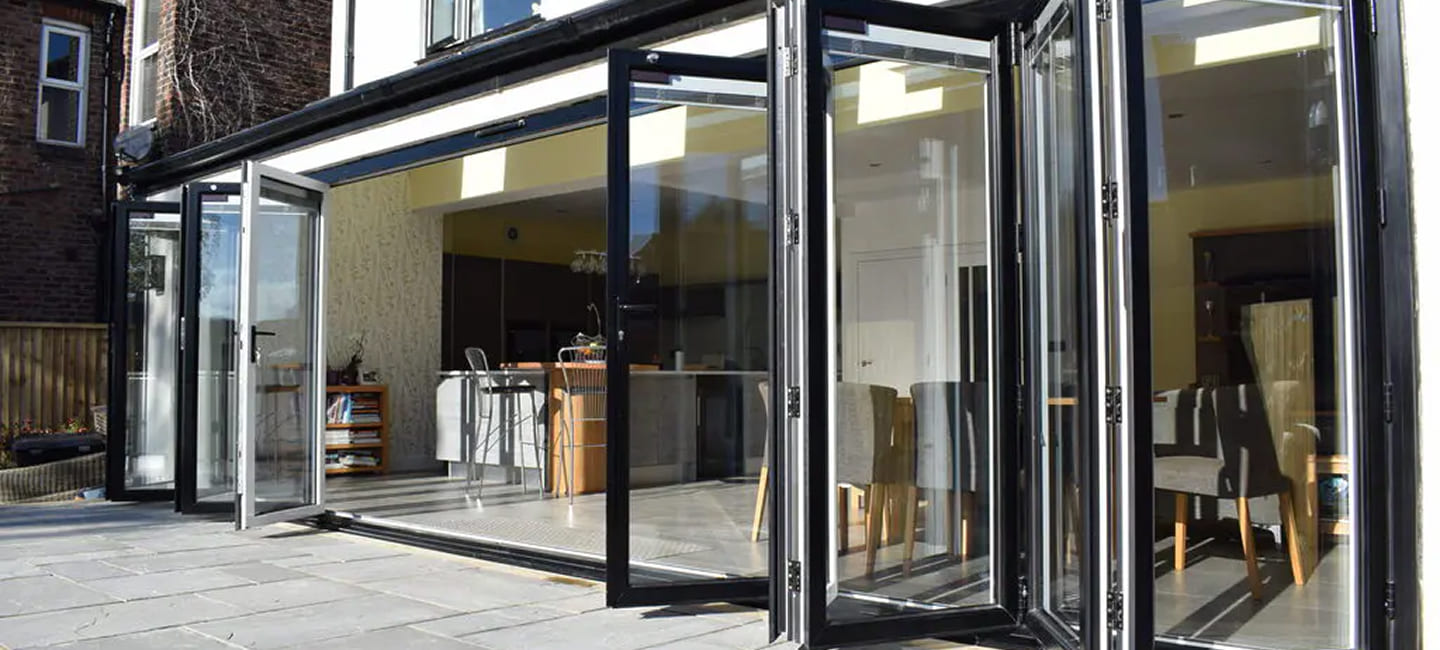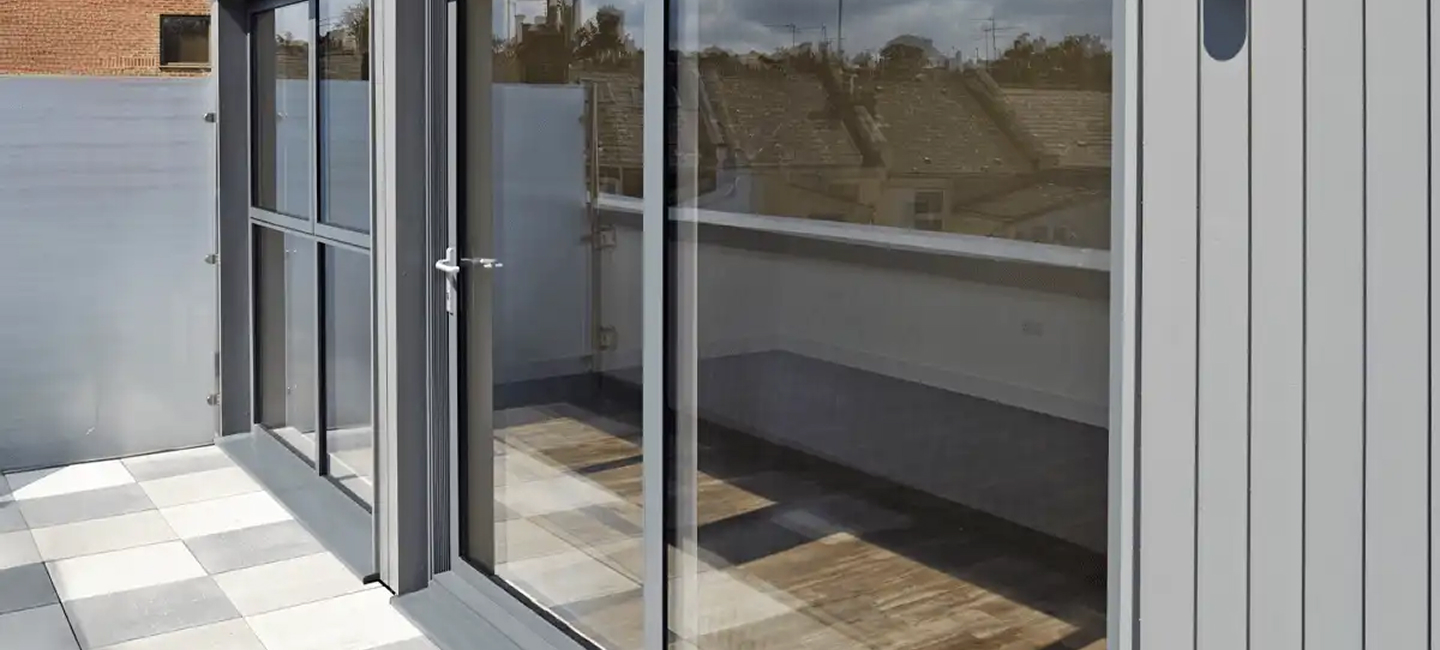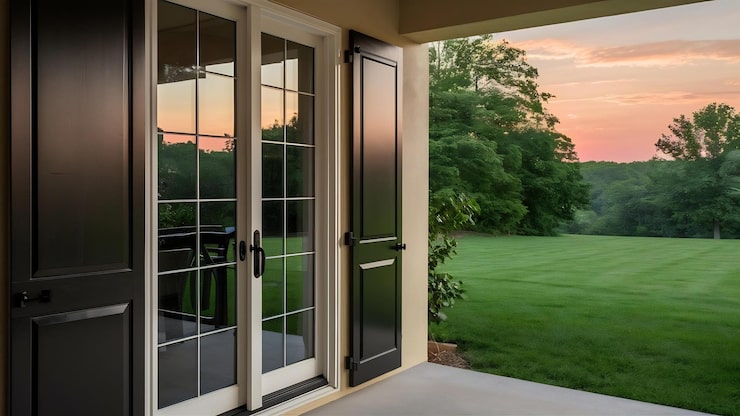

Homeowners replacing windows often assume that more panes must automatically mean a better result. Triple glazing can deliver strong thermal and acoustic performance, but good double glazing may be the more balanced choice for some London properties.
The decision depends on the whole window specification, the building, external noise, orientation and budget. Frame quality, installation and ventilation can matter just as much as the number of glass panes.
Lumiere View supplies and installs windows and doors for homes and commercial properties across London and within the M25.
How Double and Triple Glazing Differ
Double-glazed units use two panes separated by a sealed cavity, while triple glazing adds another pane and cavity. The extra layer can improve thermal performance, but also increases weight and can affect frame, hinge and opening requirements. Product values should be compared rather than relying on the label alone.
Thermal Performance
Triple glazing can reduce heat transfer through the glass, particularly when combined with well-designed frames and warm-edge spacers. However, the benefit depends on the existing windows, wall insulation and air leakage. Replacing badly fitted single glazing with quality double glazing may already produce a substantial improvement.
Noise Reduction in London
Traffic, aircraft, railways and late-night activity are common concerns. Triple glazing is not automatically the best acoustic solution because pane thickness, cavity width, laminated glass and airtight installation all influence sound reduction. An acoustic specification should respond to the actual noise source and frequency.
Daylight and Solar Gain
Different glass coatings and pane configurations affect light transmission and solar heat gain. In a shaded room, an overly restrictive glass specification may reduce useful daylight. In a highly glazed, south-facing space, solar-control considerations may be more important. Each elevation can require a slightly different balance.
Frame Strength and Opening Sashes
Heavier glazing needs frames and hardware capable of supporting it over years of use. Large opening sashes, slim profiles and heritage appearances can influence what is practical. The installer should confirm that the proposed system is designed and tested for the glass configuration rather than adapting it informally.
Ventilation and Condensation
New windows reduce uncontrolled draughts, so planned ventilation becomes more important. Condensation can also be influenced by indoor humidity, heating and cold bridges around the opening. The survey should consider background ventilation and installation details instead of promising that new glazing alone will solve every moisture issue.
Appearance and Property Character
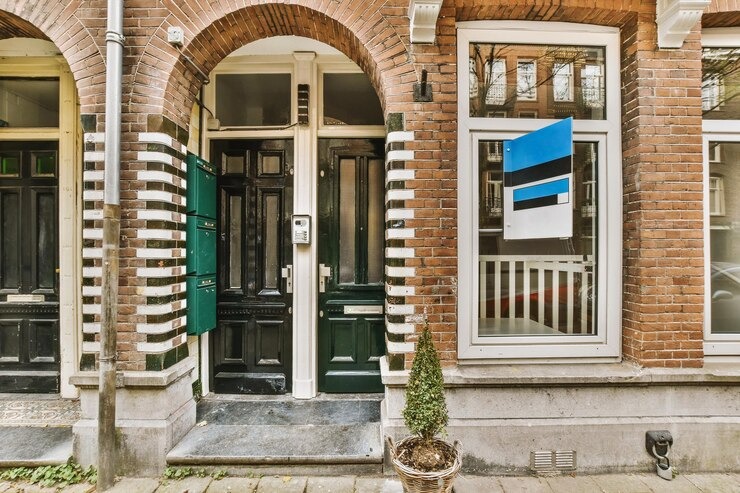
London streets include period terraces, conservation areas, modern flats and commercial buildings. Sightlines, sash proportions, frame material and colour can be as important as performance. Planning or freeholder requirements may limit visible changes, so these should be checked before the final specification is agreed.
Cost and Whole-Window Value
Triple glazing usually carries a higher product and installation cost. Compare expected performance, hardware, frame quality, guarantees and fitting details rather than selecting the cheapest unit or the highest specification on paper. A balanced whole-window solution is more valuable than an expensive glass unit in a weak frame.
What to Prepare Before Requesting a Quotation
A useful quotation begins with accurate information. Photos and measurements can help an initial conversation, but they do not replace a survey where condition, access, compliance or hidden construction affects the recommendation. Prepare:
- the outcome you want and the problem you need to solve
- relevant photographs, drawings, manuals or previous reports
- known defects, changes and earlier repair or installation history
- access limits, operating hours and important programme dates
- questions about scope, exclusions, warranties and aftercare
Compare Window Options with Luminere View
Luminere View can survey your property, discuss warmth, noise and appearance, and recommend an appropriate window specification. Homeowners across London can compare double and triple glazing using the needs of the building rather than a one-size-fits-all assumption.