
When it comes to opening up your home to the garden, most homeowners end up comparing French doors vs bi-fold doors. Both make great doors for garden access, but they suit different spaces, budgets and styles. At Lumiere View, we help customers across London choose between the two every day, so here’s a simple guide to point you in the right direction.
What Are French Doors?
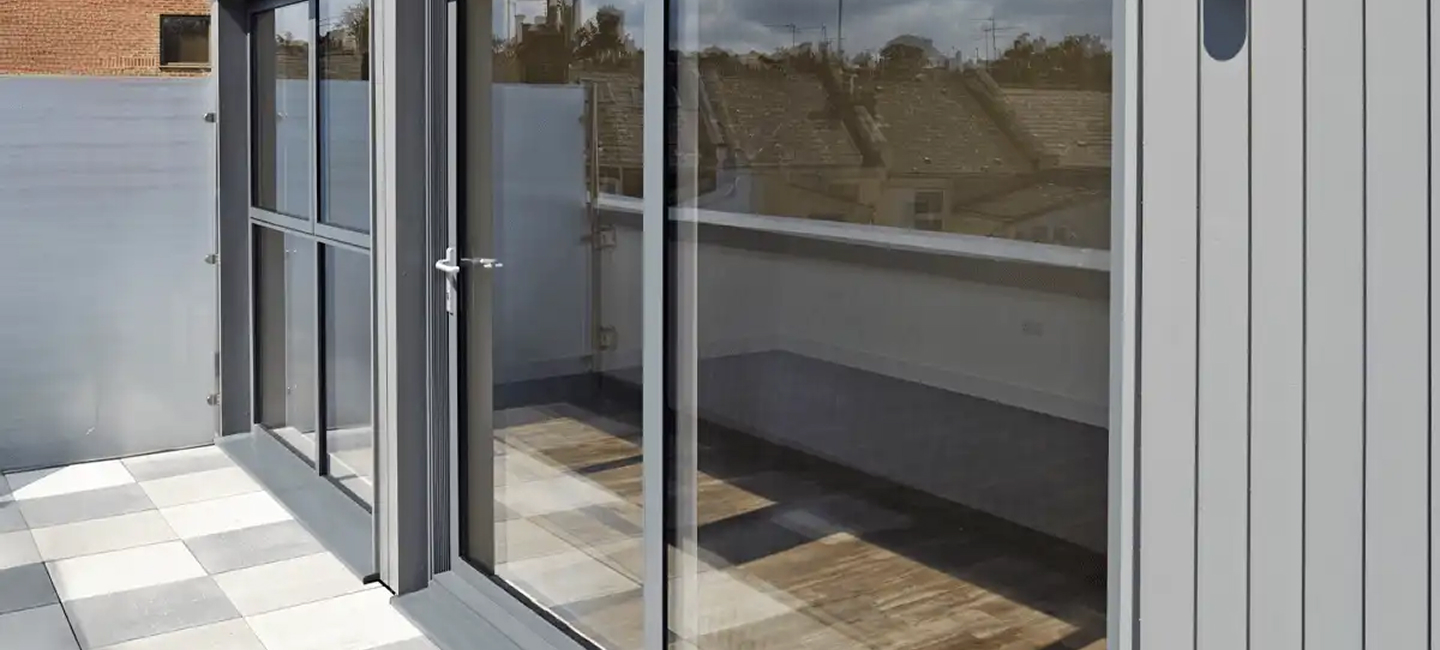
French doors are a pair of doors that open outward or inward from the centre, much like traditional double doors. They have a timeless look that suits both period and modern homes.
Because they don’t need extra space to fold or slide, French doors work well in smaller openings, such as a compact patio or a narrow garden path.
What Are Bi-Fold Doors?
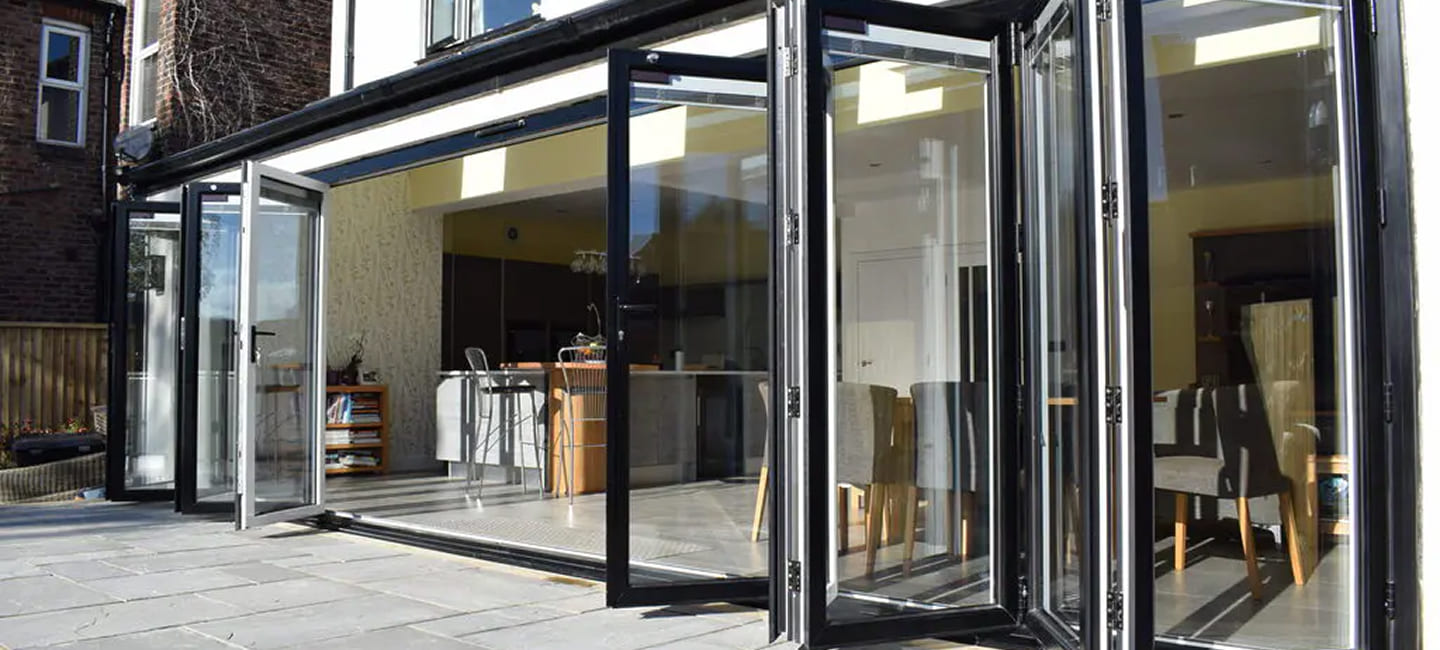
Bi-fold doors are made of several panels that concertina back against one wall, opening up a much wider space than French doors. They’re a popular choice for kitchen extensions and larger garden openings where homeowners want a fully open, indoor-outdoor feel.
French Doors vs Bi-Fold Doors: Key Differences
1. Opening Width
Bi-fold doors can open almost the entire width of a wall, while French doors are limited to the width of the two door panels. If you want the widest possible opening, bi-folds have the clear advantage.
2. Space Required
French doors need clearance to swing open, either inward or outward, which can affect furniture placement nearby. Bi-folds fold flat against the wall, so they don’t need swing space, but the stacked panels do take up a small amount of room to one side.
3. Style
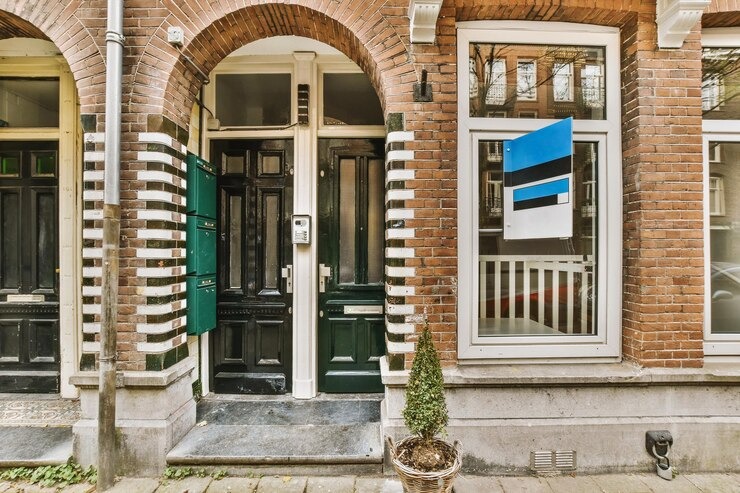
French doors suit period properties and smaller openings, giving a classic, symmetrical look. Bi-folds suit modern extensions and larger patio doors openings, offering a more dramatic transition between rooms.
4. Cost
French doors are usually more affordable, since they have fewer panels and simpler hardware. Bi-fold doors tend to cost more due to the additional panels, hinges and running gear required for smooth folding.
5. Everyday Use
French doors are quick and easy to open for popping in and out of the garden. Bi-folds take slightly longer to fully open but reward you with a much wider space once they are.
Which Should You Choose?
- Choose French doors if you have a smaller opening, a period property, or want an affordable, classic look.
- Choose bi-fold doors if you have a wide opening and want to maximise light and space for entertaining.
- Think about how often you’ll use the doors — if it’s just for daily garden access, French doors are often more practical, while bi-folds shine for bigger gatherings.
Why Choose Lumiere View
With over 55 years of family-run experience, Lumiere View installs both French and bi-fold doors across London and the M25 area. We help you compare styles, sizes and budgets honestly, so you choose the doors that actually suit your home rather than the trend.
All our installations are FENSA registered, so your new doors meet current building regulations and come with a solid guarantee for peace of mind.
Final Thoughts
Both French doors and bi-fold doors can transform how you use your garden space, so the best choice really depends on your opening size, budget and daily habits. If you’re still unsure, a measured survey from our team can show you exactly how each option would look and function in your home.