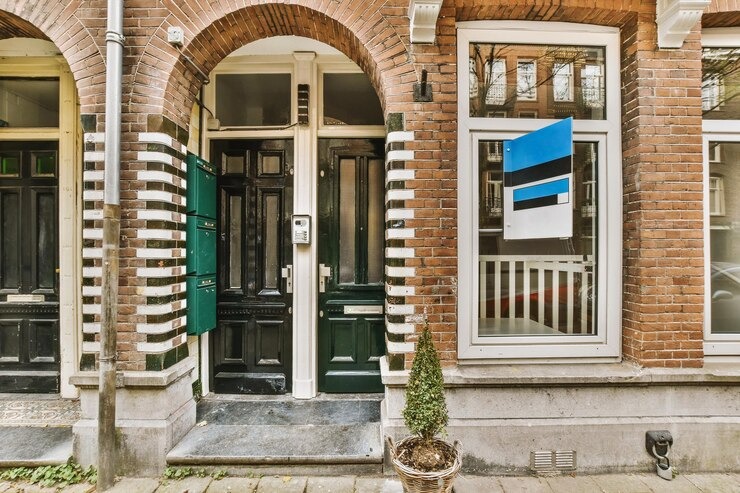


Victorian properties define the timeless architectural landscape of London. From stately terraces to sweeping villas, the ornate brickwork and iconic bay facades are beloved by homeowners across the capital.
When structural degradation compromises your comfort, a professional sash window replacement London service becomes an essential investment. Upgrading your period property protects its historic fabric while transforming it into a warm, sustainable home. Leading specialists like Lumiere View combine traditional visual elements with precision engineering to ensure your home retains its classic identity without sacrificing comfort.
The Architectural Legacy of Victorian Sash Windows
Victorian architecture introduced sweeping changes to window design. Driven by the manufacturing availability of larger glass panes, Victorian builders transitioned away from the multi-paned grid designs of the Georgian era, shifting toward more expansive configurations.
Preserving these exact visual subtleties is crucial during any heritage window replacement London project, ensuring the replacement units mirror the original proportions and profiles of your specific borough.
Critical Signs Your Victorian Windows Need Replacement
While minor structural drafts can often be addressed with basic maintenance, severe physical deterioration demands a complete structural upgrade. Watch for these distinct signs of mechanical and thermal decline:
- Pervasive Wood Rot: Soft, crumbling timber frames that cannot hold a secure screw or paint finish.
- Persistent Internal Damp: Condensation trapped between old glass sheets or water pooling along internal sills.
- Severe Physical Warping: Sashes that stick, rattle in high winds, or refuse to slide smoothly up and down.
- High Operational Costs: Skyrocketing energy bills caused by extensive structural air leakage.
Navigating London’s Conservation and Planning Regulations
Before commissioning any replacement project, understanding the local regulatory landscape is essential. London features thousands of conservation areas, each governed by strict local authority planning guidelines.
Conservation Areas and Listed Status
If your property is a designated listed building, you must obtain listed building consent from your local council before altering the windows. For unlisted properties within strict conservation areas, Article 4 Directions often restrict changes to front-facing facades, requiring replacements to match the original timber style exactly.
Sympathetic Material Selection
To comply with local regulations, a premium heritage window replacement London project utilizes authentic timber engineering or highly specialized, conservation-approved uPVC.
Thermal and Environmental Impact of Upgrading
According to independent home energy research from the Energy Saving Trust, roughly 30% of a property’s heating energy escapes through inefficient, uninsulated windows. This statistic is particularly evident in Victorian structures built prior to modern insulation guidelines. Data compiled by Uswitch highlights that less than 20% of English homes constructed before 1930 achieve an Energy Performance Certificate (EPC) rating of Band C or higher.
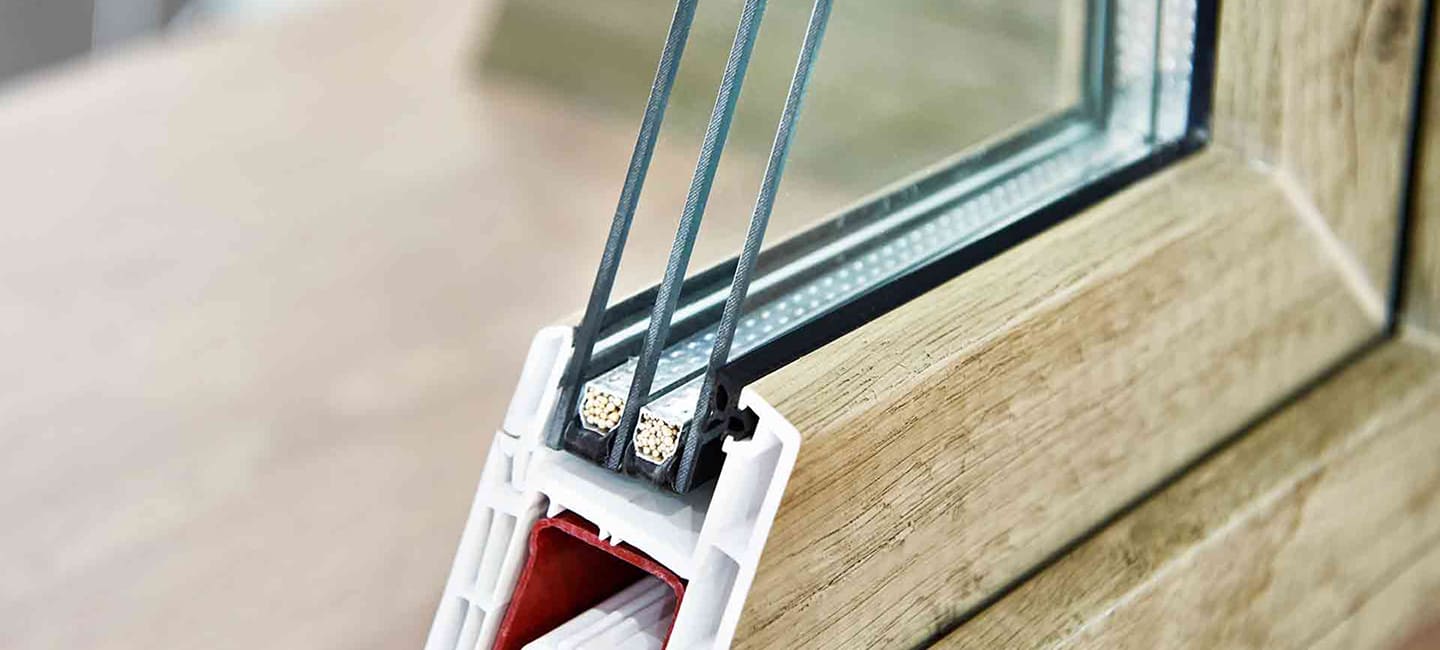
By transitioning to advanced double or triple-glazed Victorian sash windows London specialists can drastically reduce structural heat loss. Historic England research reveals that retrofitting historic properties with sympathetic energy-efficiency measures can reduce overall carbon emissions by over 60%, making replacement a highly sustainable long-term decision.
Material Options for Modern Performance
Modern manufacturing gives London property owners flexible material choices to balance budget, aesthetics, and maintenance requirements:
1. Hardwood and Premium Softwood
Traditional timber remains the gold standard for pure historic authenticity. Precision-crafted timber units are handmade, treated with anti-rot solutions, and multi-layered to resist warping, ensuring a lifespan that can exceed half a century with routine painting.
2. High-Performance uPVC
Modern uPVC sash profiles provide a virtually maintenance-free alternative. They resist rot, require no painting, and integrate brush seals to eliminate rattling.
3. Sleek Aluminium
While less common for strict Victorian restorations, slimline aluminum frames offer exceptional structural durability and a premium modern-classic finish. They are highly resistant to corrosion and provide maximized glass surface area for optimal natural light.
Step-by-Step Replacement Process
A successful, high-quality installation depends on rigorous craftsmanship and structural care. The professional process typically follows these key stages:
Comprehensive Site Survey
Technicians take exact laser measurements of your existing window apertures. They document specific architectural details, including sash horns, architrave molding styles, and external brick arch depths, ensuring the new bespoke units match your home’s unique profile perfectly.
Clean Structural Removal
Installers carefully remove the old internal staff beads, parting beads, and sliding sashes without disrupting the surrounding historic internal plasterwork or external Victorian brickwork.
Structural Frame Alignment
The new bespoke sash frame is inserted into the opening, meticulously leveled using precision shims, and anchored securely to the structural opening.
Thermal Insulating and Weather Sealing
Specialists apply modern, high-expansion insulating foam around the hidden perimeter gaps to eliminate structural thermal bridging. Perimeter draft-excluding perimeter strips are integrated directly into the sliding mechanism tracks.
Final Trim and Quality Check
Traditional internal architraves and timber sills are fitted, caulked, and seamlessly blended into your interior decor. The counterbalancing weights or heavy-duty spring balances are calibrated to ensure light, effortless operational movement.
Value and Long-Term Protection
Replacing worn-out Victorian sash windows London units is a reliable investment that yields significant financial and structural returns over time:
- Elevated Market Value: Preserving a property’s authentic period charm significantly boosts its curb appeal and market attractiveness to buyers.
- Advanced Home Security: Modern bespoke units incorporate robust multi-point locking systems, interlocking sash meeting rails, and toughened security glass meeting strict “secure by design” criteria.
- Acoustic Noise Reduction: Precision double glazing dampens external city sounds, creating a quiet, peaceful indoor sanctuary away from busy London traffic.
Partnering with an experienced specialist like Lumiere View guarantees your historic home remains energy-efficient, safe, and historically authentic for decades to come.