
Upgrading your home with new windows and doors represents one of the smartest investments a London homeowner can make. These elements not only enhance curb appeal and improve daily comfort but also deliver measurable gains in energy efficiency and property value. In a city filled with period properties, conservation areas and modern developments the choice of materials styles and installation methods plays a vital role in the final outcome. Many factors shape the overall expense yet a clear breakdown helps demystify the process and empowers informed decisions.
The variety available in windows and doors in London makes choosing the right ones exciting yet complex. From traditional sash designs suited to Victorian homes to sleek sliding systems ideal for contemporary extensions each option brings unique advantages. Understanding these details ensures your project aligns perfectly with both budget and lifestyle needs. This guide explores every aspect in straightforward terms so you can plan confidently without surprises.
Why Invest in New Windows and Doors in London?
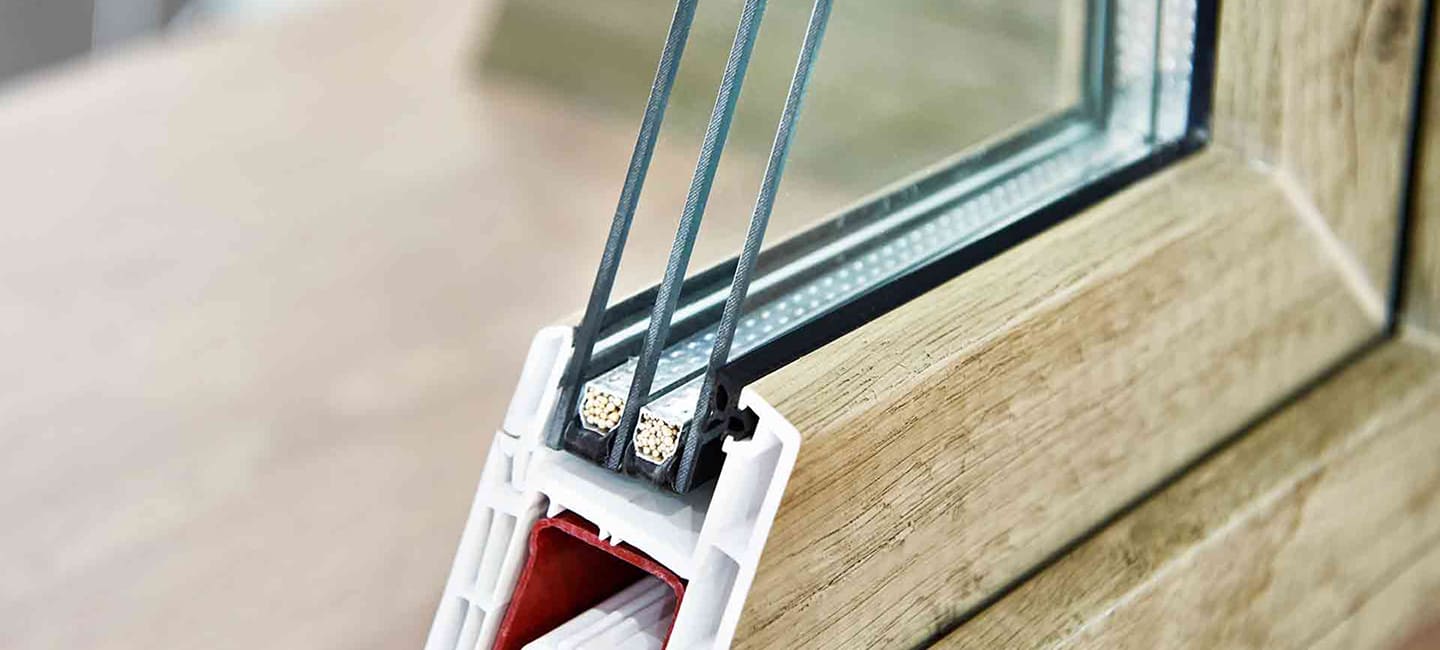
London homes face unique challenges including older building stock exposure to urban noise and strict energy regulations. New windows and doors address these issues effectively by reducing heat loss, cutting fuel bills and blocking external sounds. Modern double or triple glazing combined with advanced frames can slash energy consumption by up to 30 percent in many cases.
Beyond practical gains the aesthetic upgrade boosts resale appeal. Estate agents often note that well-fitted contemporary windows and doors can add thousands to a property valuation especially in competitive boroughs like Kensington or Islington. Moreover compliance with current Building Regulations becomes simpler avoiding future retrofit costs.
Key Factors That Determine Pricing
Several variables influence the final bill. Breaking them down clarifies why quotes differ so widely.
Material Choices
Material selection forms the largest cost driver. Each type offers distinct benefits tailored to London living.
- uPVC frames: Affordable and low-maintenance; these resist weathering without painting. They provide excellent insulation and suit most budgets.
- Aluminium frames: Slim profiles deliver a modern minimalist look with superior strength. Though pricier they require virtually no upkeep and last decades.
- Timber frames: Traditional appeal shines in heritage homes. Premium hardwoods or engineered timber deliver warmth and character but demand occasional maintenance.
- Composite doors and frames: Hybrid construction combines the best of materials for security insulation and style. They resist warping, cracking and fading far better than single-material alternatives.
Window and Door Styles
Style impacts both price and practicality.
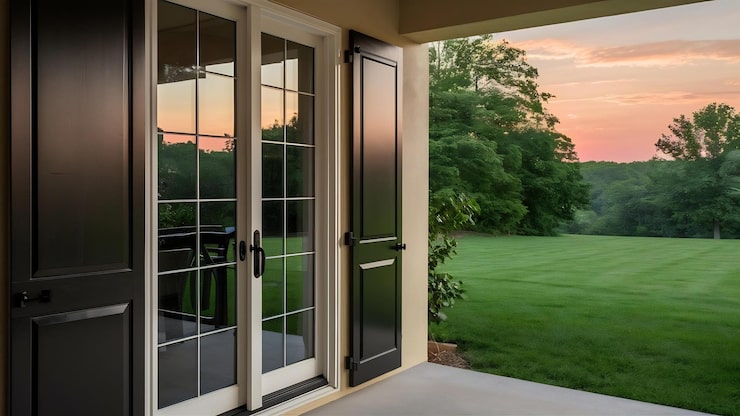
- Casement windows open outward for easy ventilation.
- Sash windows recreate period elegance with modern performance.
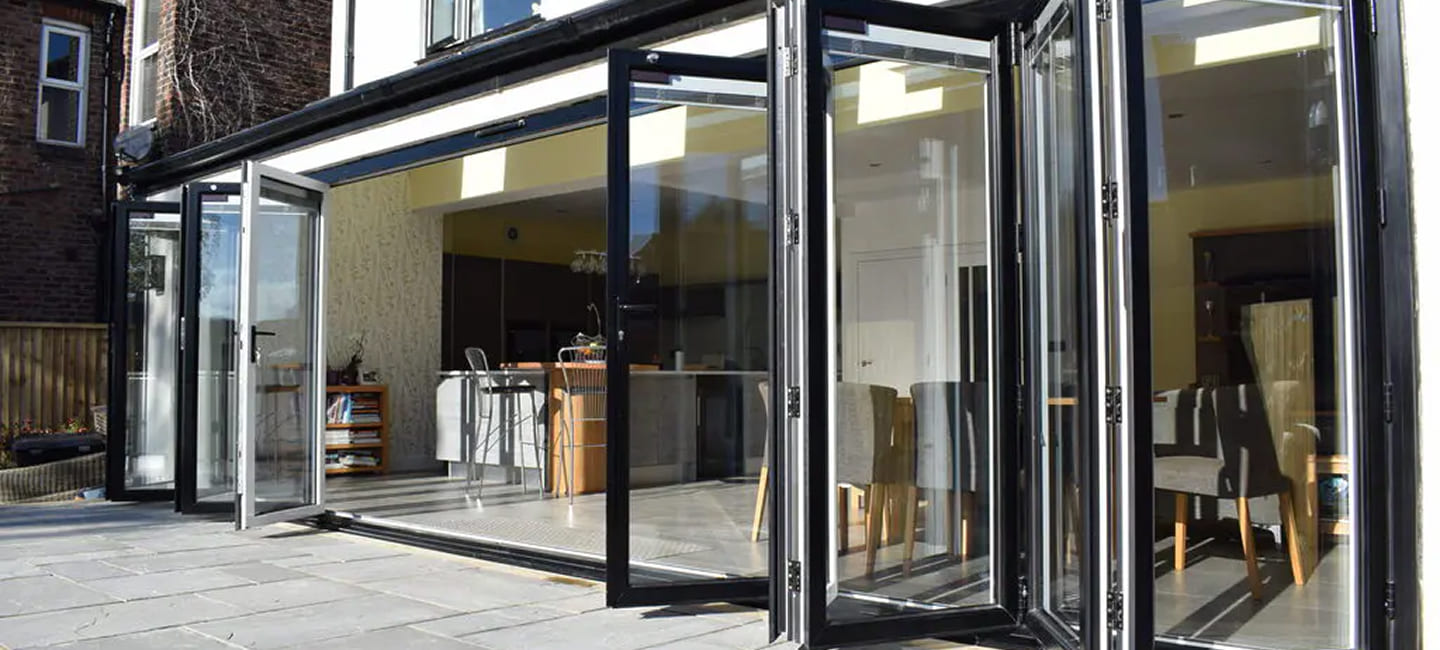
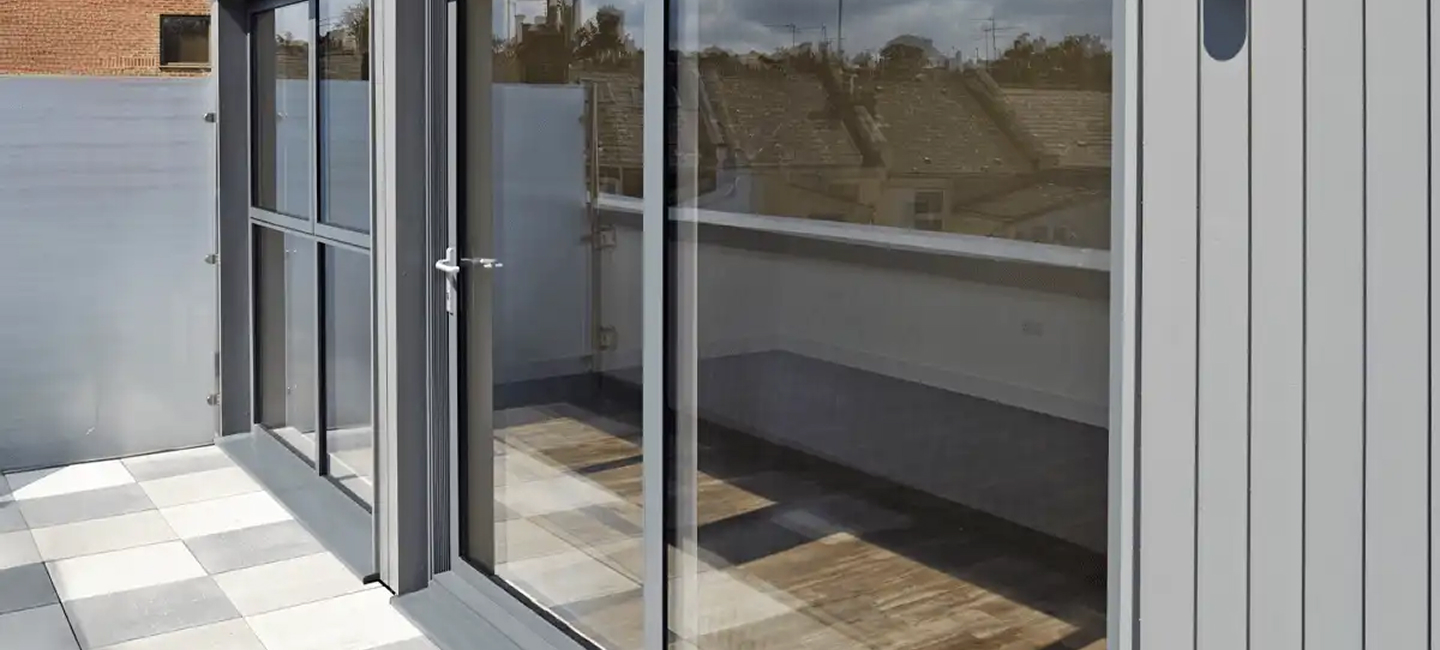
- Sliding or bifold doors maximise light and connect indoor-outdoor spaces seamlessly.
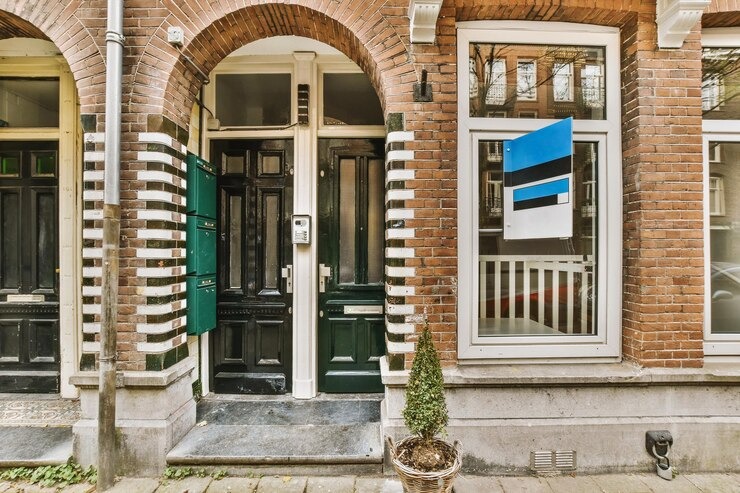
- Front entrance doors range from solid security-focused designs to glazed options that flood hallways with natural light.
Larger or bespoke sizes add complexity and expense. Conservation-area restrictions may require specific heritage styles further influencing costs.
Additional Variables
London-specific elements raise prices compared with the national average. Labour rates sit 15 to 20 percent higher due to demand and access challenges in dense urban zones. Property height scaffolding requirements and parking permits also contribute. Energy-efficiency upgrades such as argon-filled glazing or low-E coatings add modest sums but pay back quickly through lower bills.
Average Costs for New Windows in London
Window prices vary by material size and installation needs. For a typical double-glazed casement window expect these guide ranges including supply and fitting in the capital.
- uPVC casement windows: £600 to £1,200 per unit.
- Aluminium casement windows: £900 to £1,800 per unit.
- Timber or heritage sash windows: £1,300 to £2,500 per unit.
A standard three-bedroom semi-detached house with eight to ten windows might total £5,500 to £12,000 fully installed. Smaller terraced homes often fall toward the lower end while larger detached properties or those needing structural adjustments climb higher. These figures reflect 2026 market conditions and account for London premiums.
Average Costs for New Doors in London
Doors follow similar patterns yet often carry higher per-unit prices because of size security features and glazing.
- uPVC front or back doors: £800 to £1,500 installed.
- Composite front doors: £1,200 to £3,500 installed offering superior security and insulation.
- Aluminium bifold or sliding patio doors: £4,000 to £15,000 for multi-panel systems depending on width and glass specification.
- Timber entrance doors: £1,500 to £4,000 reflecting craftsmanship and material quality.
A full set of external doors for an average home including one front door and a patio set could range from £6,000 to £18,000. Bifold doors prove especially popular in London extensions where they open up living spaces dramatically.
To fully grasp windows and doors cost London one must account for every variable from initial survey to final finishing touches. Quotes that appear unusually low may omit essential elements such as reinforced glass or compliant locks. Always request itemised breakdowns for transparency.
The Installation Process and Professional Expertise
Proper fitting ensures performance and longevity. Poor installation can lead to drafts leaks or premature failure negating any energy savings.
Professional window installation London demands skilled teams familiar with local regulations and building types. Certified installers follow British Standards and provide guarantees typically spanning ten to thirty years. The process usually spans one to three days for a full house depending on scope with minimal disruption when handled efficiently.
Companies such as Lumiere View exemplify the standard homeowners should seek. With over 55 years of family-led experience this London-based specialist delivers premium aluminium hardwood and composite solutions across the capital and M25 area. Their track record includes seamless projects from bifold doors to conservation-compliant windows highlighting the value of established local expertise.
Long-Term Benefits and Market Context
The initial outlay quickly proves worthwhile. Reduced energy bills alone can recoup costs within seven to ten years. Enhanced security features deter break-ins while improved insulation creates quieter healthier living environments.
Industry data underscores sustained demand. The UK windows and doors market generated a revenue of USD 8,896.6 million in 2025 and is expected to reach USD 10,743.6 million by 2033 at a compound annual growth rate of 2.2 percent. Separately the metal door and window manufacturing sector in the UK reached £10.2 billion in 2026 reflecting robust investment across residential projects.
These figures highlight growing homeowner confidence in upgrades that combine style sustainability and value.
Tips for Securing the Best Value
Request at least three detailed quotes from reputable firms. Compare like-for-like specifications including glass type locks and warranties. Check accreditations such as FENSA or BSI to guarantee compliance and insurance cover.
Consider timing. Off-peak seasons often bring competitive pricing. Explore government schemes or local grants for energy-efficient installations where available. Finally prioritise quality over the cheapest option to avoid costly repairs later.
In summary new windows and doors deliver transformative improvements for London homes when approached thoughtfully. With clear understanding of materials styles and realistic budgets homeowners can achieve stunning results that enhance daily life and future-proof their property for years ahead.
Author Bio
Lumiere View has over 55 years of family-led experience providing professional windows, doors and glazing solutions across London and the M25. Our experienced team focuses on quality products, reliable installation and solutions tailored to residential and commercial properties.